Field Hockey: Best Mastering The Game
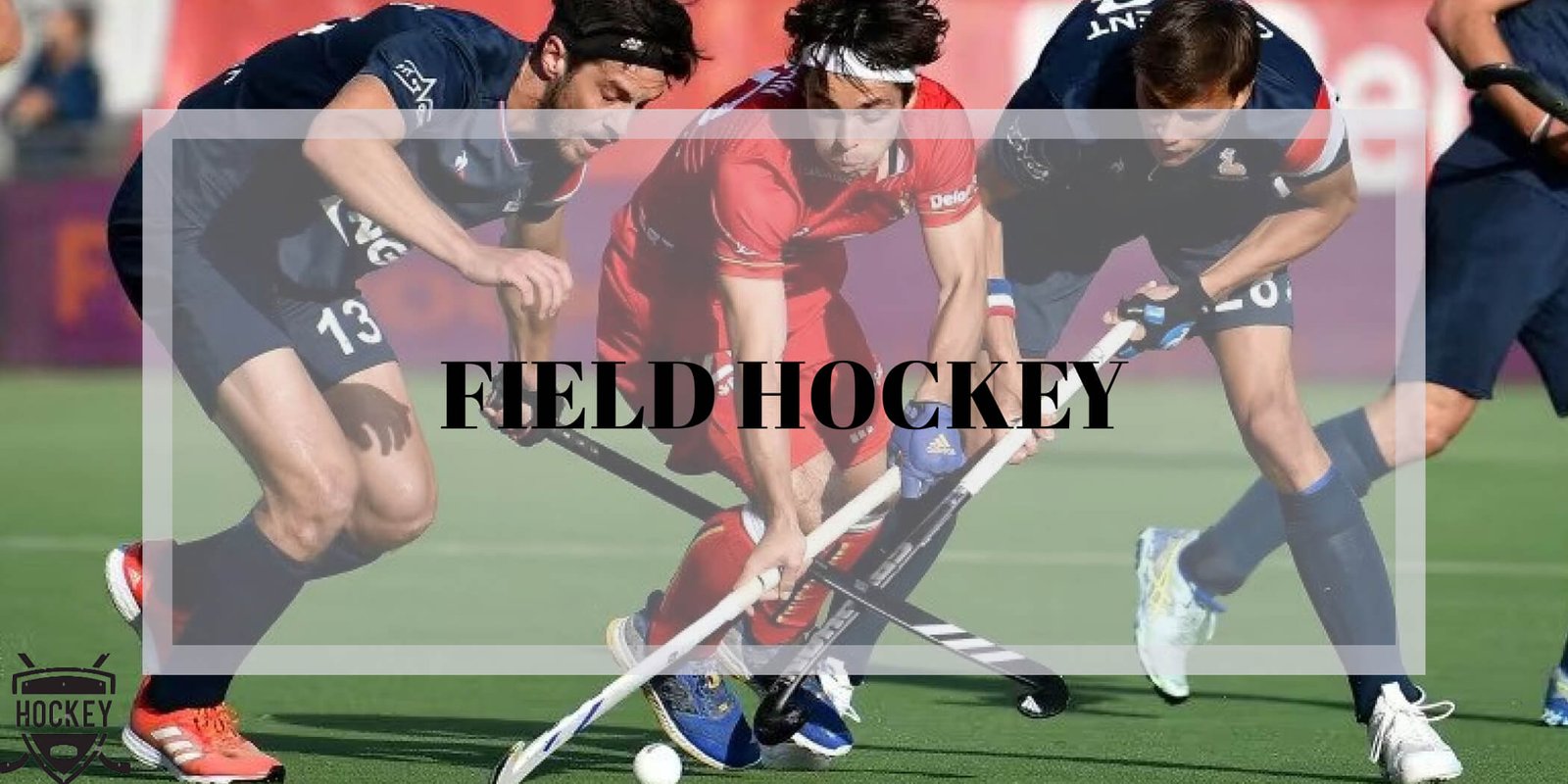
Embarking on the thrilling field hockey journey has been a personal odyssey filled with triumphs and challenges. From mastering the basics of dribbling and wielding the perfect stick to orchestrating seamless teamwork on the field, the essence of Field Hockey is a symphony of skills. Having navigated the exhilarating highs and occasional lows, I’ve come to appreciate the profound impact of effective communication and the camaraderie that defines this sport. As an experienced enthusiast, this blog serves as a testament to the joy and fulfillment found in the dynamic world of field hockey. In this world, passion converges with skill, culminating in moments of sheer brilliance and victory. Join me on this odyssey, and let’s celebrate the sport that continues to captivate hearts and minds alike.
Basics of Field Hockey
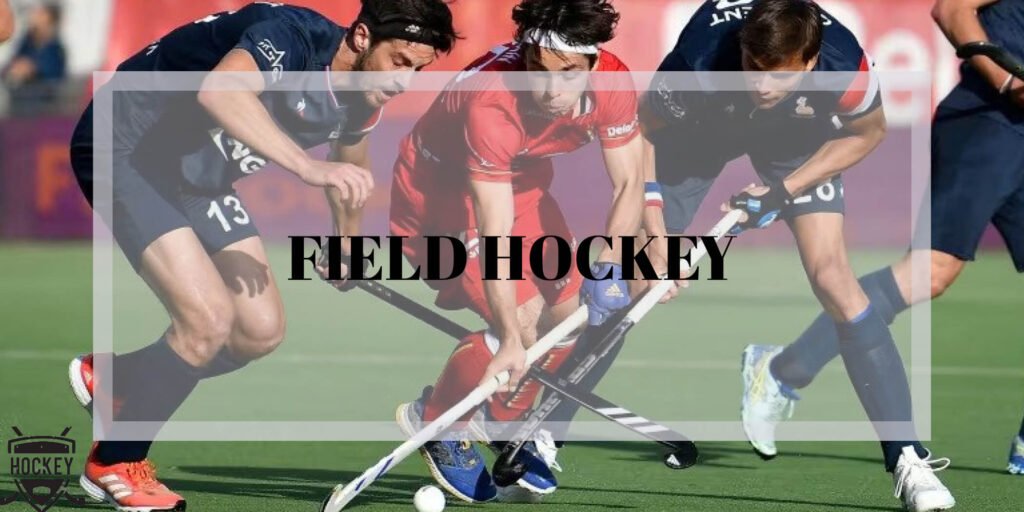
Field hockey is an exciting sport that demands skill, strategy, and teamwork. To grasp the game, it’s crucial to understand its essentials. Begin by familiarizing yourself with the basic equipment, including a sturdy stick and appropriate gear. The field, marked with lines and goals, sets the stage for the action. Learn the positions—defenders, midfielders, and forwards—each with distinct roles in the game. Moreover, comprehend the objective: guide the ball into the opponent’s goal. This foundational knowledge lays the groundwork for an enjoyable and successful journey into field hockey.
Rules and Regulations Every Player Should Know
Knowing the rules and regulations is paramount as you step onto the field. Field hockey operates on guidelines to ensure fair play and sportsmanship. Start with the basics: the offside rule, which prevents unfair positioning, and the penalty corner, a critical opportunity for attacking. Understand the concept of fouls—actions that can lead to penalties—and the importance of sports etiquette. With a solid grasp of these rules, players confidently navigate the field, contributing to a smooth and enjoyable game for everyone involved.
Rules and Regulations
Here are some fundamental rules and regulations in field hockey:
- Start of Play: The game begins with a centre pass at the start of each half and after a goal is scored.
- Offside Rule: Players cannot position themselves in the opponent’s shooting circle before the ball.
- Scoring: A goal is scored when the ball crosses the goal line between the goalposts and beneath the crossbar.
- Free Hits: Awarded for minor fouls, free hits allow the player to restart from where the foul occurred.
- Penalty Corners: Awarded for more severe fouls, penalty corners give the attacking team a chance to score from a set play.
- Penalty Strokes: In the case of a deliberate foul in the shooting circle, a penalty stroke is awarded, allowing a player to take a shot at a goal from a specified distance.
- Stick Obstruction: Players cannot use their sticks to obstruct opponents.
- Dangerous Play: Actions that can harm other players, such as high sticks or dangerous tackles, result in fouls.
- Yellow and Red Cards: Serious fouls may lead to the issuance of yellow or red cards, indicating temporary or permanent suspension from the game.
- Substitutions: Substitutes can enter the field anytime but must do so at the designated substitution area.
Understanding and adhering to these rules enhances the game’s fairness, ensuring a competitive and enjoyable experience for all players.
Field Hockey Equipment
Getting started in field hockey requires the right gear to ensure safety and performance. The essential equipment includes a mouthguard to protect the teeth and jaws from potential impacts during play. Shin guards are crucial for shielding the lower legs from sticks and balls. A comfortable and well-fitted jersey and shorts complete the player’s attire, allowing free movement on the field. Sturdy footwear with good traction is essential for manoeuvring on the grass field. Wearing the proper gear safeguards players and contributes to their confidence and focus during the game.
Hockey Equipment
Here’s a comprehensive list of field hockey equipment, along with details about each item:
- Field Hockey Stick: Available in various lengths and materials (wood, composite), with different head shapes (hook, midi, maxi) for diverse playing styles.
- Shin Guards: Protect the lower legs from potential impacts and injuries during play.
- Mouthguard: Safeguards teeth and jaws from collisions with sticks or balls, ensuring player safety.
- Jersey and Shorts: Comfortable and well-fitted attire, allowing freedom of movement on the field.
- Footwear: Sturdy shoes with good traction, designed for playing on grass fields and providing grip during quick movements.
- Gloves: Protects the hands and fingers from impacts and abrasions, enhancing grip on the stick.
- Goalkeeper Gear: Includes specialized equipment such as goalie pads, kickers, gloves, and a helmet, offering protection for the goalkeeper.
- Goalkeeping Stick: Unlike regular sticks, goalkeeping sticks are designed to assist goalkeepers in making saves.
- Goal Cage: The structure comprising two goalposts and a crossbar where teams aim to score goals.
- Ball: Specially designed for field hockey, the ball is hard and smooth, facilitating fast and precise play.
- Water Bottle and Carrier: Staying hydrated is crucial during games, and a water bottle carrier makes it convenient for players to have water on hand.
- Field Markings: Lines and markings on the field, including the shooting circle and penalty spot, indicating specific areas for play and penalties.
- Whistle: Used by referees to signal the start, stop, and restart of the game, as well as to indicate fouls and penalties.
- Umpire Cards: Umpires use yellow and red cards to enforce penalties, with yellow indicating a temporary suspension and red leading to expulsion from the game.
Ensuring players are equipped with the right gear enhances safety. It contributes to an enjoyable and competitive field hockey experience.
Choosing the Right Field Hockey Stick
Selecting the right field hockey stick is a crucial decision that can significantly impact a player’s performance. Sticks come in various lengths, and choosing one that aligns with the player’s height and position is essential. The material of the stick, often composite or wood, affects its weight and durability. Additionally, the shape of the stick’s head influences ball control and manoeuvrability. Beginners may benefit from a stick with a giant head for easier ball handling. Finding the right balance between length, material, and head shape ensures that the field hockey stick becomes a reliable extension of the player’s skills.
Mastering Field Hockey Techniques
Here is a list of various field hockey techniques:
- Dribbling: Maneuvering the ball with controlled touches using the stick, maintaining close ball control while navigating the field.
- Push Pass: A fundamental passing technique involving a short, controlled ball push with the stick to a teammate.
- Hit Pass: Striking the ball with a sweeping motion to propel it over longer distances, often used for more dynamic passes.
- Scoop: Lifting the ball off the ground using the flat side of the stick helps pass over opponents’ sticks or for aerial plays.
- Reverse Stick Shot: Striking the ball with the stick’s reverse side adds unpredictability to shots, catching opponents off guard.
- Forehand Shot: Executing a powerful shot with the ball on the forehand side, using a combination of body positioning and stick control.
- Backhand Shot: Striking the ball on the backhand side, requiring precision and practice to maintain accuracy and power.
- Drag Flick: A specialized technique for penalty corners where the ball is swiftly dragged and flicked toward the goal.
- Aerial Dribble: Lifting the ball off the ground and carrying it in the air is helpful for bypassing opponents and changing the direction of play.
- Tomahawk Shot: Striking the ball with the stick in a tomahawk-like motion, often used for powerful shots from tight angles.
- 3D Skills: Involves lifting, jinking, or spinning the ball in 3D space, adding creativity and unpredictability to a player’s movements.
- Tackling: Defensive technique involving using the stick to intercept or block an opponent’s dribble or pass.
- Jab Tackle: A quick, jabbing motion with the stick to dispossess an opponent of the ball, requiring timing and precision.
- Goalkeeping Techniques: Specialized skills for goalkeepers, including diving saves, kick saves, and pad saves, crucial for preventing goals.
- One-on-One Skills: Techniques for navigating past individual defenders, including feints, changes of direction, and quick accelerations.
Mastery of these techniques contributes to a player’s overall skill set, making them versatile and practical on the field.
Perfecting the Art of Dribbling in Field Hockey
Mastering dribbling is a fundamental skill that empowers players on the field. Begin by maintaining a low stance with knees slightly bent, ensuring better control and agility. Use the stick to guide the ball with short, controlled touches, alternating between the forehand and backhand sides. Practice changing direction swiftly to outmanoeuvre opponents. Focus on keeping the ball close to the stick, employing quick and graceful movements. Dribbling proficiency enhances individual play and contributes to effective teamwork as players navigate the field with confidence and precision.
Strategies for Powerful Shots and Accurate Passes
Executing powerful shots and accurate passes is the key to offensive success in field hockey. Perfect the technique by positioning the ball correctly about the body. For powerful shots, engage the entire body, transferring weight from the back foot to the front during the striking motion. Maintain a firm grip on the stick and follow through with the shot to ensure maximum impact. Regarding accurate passes, focus on proper hand placement on the stick and maintain control over the ball. Practice various passing techniques, including push passes and sweeps, to develop versatility in distributing the ball strategically to teammates. Consistent practice of these techniques hones a player’s ability to contribute actively to the team’s offensive prowess.
Team Dynamics in Field Hockey
Team dynamics refer to the interactions, relationships, and cooperation among individuals within a field hockey team. It goes beyond individual skills, emphasizing how players work together to achieve common goals. In field hockey, successful team dynamics involve understanding and embracing each player’s role, recognizing strengths and weaknesses, and fostering effective communication. Teammates collaborate to create a cohesive unit, where the collective effort becomes more potent than individual contributions. Positive team dynamics in field hockey lead to improved coordination, strategic gameplay, and a shared sense of accomplishment. Ultimately, the synergy of the team elevates performance and contributes to success on the field.
The Importance of Teamwork on the Field
Teamwork is the heartbeat of successful field hockey, where players synergize efforts for collective achievement. Embrace roles within the team, understanding that each position contributes uniquely to the game’s flow. Effective teamwork involves constant communication, creating opportunities for strategic plays and coordinated attacks. By supporting teammates and collaborating on the field, players amplify their collective strength, creating a formidable force that is challenging for opponents to overcome. Recognizing the significance of teamwork fosters a sense of unity and shared purpose, essential elements for triumph in the dynamic world of field hockey.
Effective Communication for Winning Plays
Communication is the linchpin of victorious field hockey plays, ensuring seamless coordination and strategic execution. Establish clear and concise signals with teammates to indicate intentions, whether passing, positioning, or signalling plays. Vocal communication is equally vital—calling out positions, alerting teammates to potential threats, and providing encouragement. A team that communicates effectively operates as a synchronized unit, capable of adapting swiftly to changing game scenarios. In the fast-paced environment of field hockey, where split-second decisions matter, effective communication becomes the catalyst for achieving victory and elevating the team’s overall performance.
Field Hockey Success Stories
Embarking on a journey through inspiring tales of field hockey achievements unveils the triumphs and challenges that have shaped the sport. Explore narratives of teams overcoming odds, individual players showcasing resilience, and unforgettable moments of sportsmanship. These stories celebrate victories and highlight the determination, discipline, and passion fueling success in field hockey. Drawing inspiration from these tales fosters a deeper appreciation for the sport. It motivates aspiring players to pursue their goals with unwavering dedication.
Learning from the Best: Tips from Field Hockey Legends
Delving into the wisdom of field hockey legends opens a treasure trove of valuable insights. These seasoned players share tips and strategies that have propelled them to greatness. From mastering essential skills to navigating the game’s complexities, their experiences offer a roadmap for improvement. Learn about effective training routines, mental preparation, and the importance of perseverance. By absorbing the lessons from field hockey legends, aspiring players can glean practical advice that enhances their performance on the field and instils a mindset of continuous growth and excellence.
FAQ
Conclusion
In conclusion, field hockey emerges as a dynamic and captivating sport, encompassing tales of inspiring comebacks, individual journeys to stardom, and thrilling moments that define championships. The sport thrives on teamwork, as seen in the unforgettable stories of teams overcoming odds and triumphing against established rivals. Learning from field hockey legends provides valuable insights for aspiring players, emphasizing the importance of dedication and continuous improvement. The success stories highlight the diverse facets of field hockey, from the strategic brilliance of goalkeepers to the electrifying moments of golden goals. Ultimately, these narratives collectively celebrate the resilience, passion, and shared victories that make field hockey an exhilarating and rewarding pursuit.




1 comment